2026-08-11 09:23:00
Difference Between Liquidation and Bankruptcy: When to Initiate Bankruptcy vs. Business Liquidation?
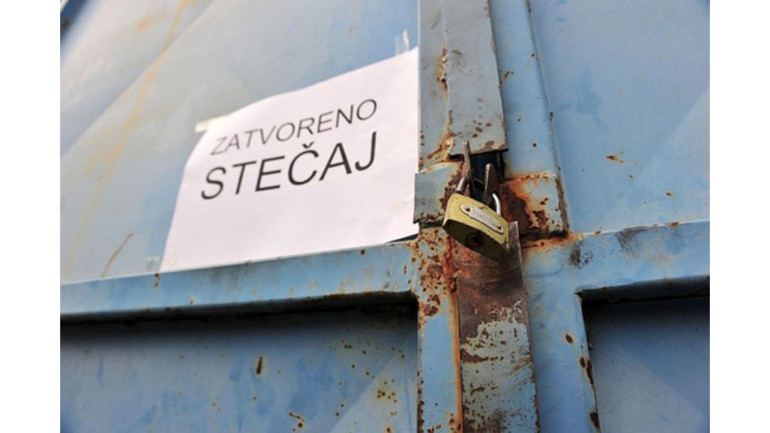
What is Company Liquidation?
Liquidation is a voluntary or legally prescribed procedure for closing a company that is solvent meaning it possesses sufficient assets and funds to fully settle all of its obligations to creditors, the state, and employees.
When is Liquidation Initiated?
-
By decision of equity owners: When founders no longer have a business interest in continuing company operations.
-
Fulfillment of purpose: If the company was established to carry out a specific time-limited project.
-
Statutory reasons or by operation of law: If other conditions specified by the Law on Companies are met.
Key Advantage of Liquidation: The company independently settles all debts, and any remaining assets after the completion of the procedure are distributed to the owners.
What is Bankruptcy Procedure?
Bankruptcy is a judicial proceeding initiated against a company that is insolvent (unable to pay). This means that the enterprise has been unable to meet its due financial obligations over an extended period because its total debts significantly exceed the value of its available assets.
When is Bankruptcy Initiated?
-
Threatened or occurred inability to pay: The company cannot regularly pay suppliers, loans, or state obligations.
-
Prolonged account freeze: The company's account is frozen for an extended period, and assets do not cover due obligations.
Goal of Bankruptcy: Either an attempt at restructuring and recovery of the company (through a reorganization plan) or satisfying creditors by selling all assets of the bankruptcy debtor.
Main Differences Between Liquidation and Bankruptcy
-
Financial State:
-
Liquidation: Solvent company (has cash and assets to cover all debts).
-
Bankruptcy: Insolvent company (total debts exceed asset value).
-
-
Initiator:
-
Liquidation: Company owners or competent authority.
-
Bankruptcy: Creditors, management body, or the debtor itself.
-
-
Management During Procedure:
-
Liquidation: Liquidator (often the current director).
-
Bankruptcy: Bankruptcy trustee / Receiver (appointed by the court).
-
-
Status of Employees:
-
Liquidation: Contracts are terminated with regular payment of all due wages.
-
Bankruptcy: Opening of bankruptcy automatically terminates all employment contracts.
-
-
Final Outcome:
-
Liquidation: Deletion from the register, with remaining assets returned to owners.
-
Bankruptcy: Deletion from the register, usually with total loss of assets to satisfy debts.
-
The Role of Accounting and Bookkeeping in Company Closure
Regardless of whether liquidation or bankruptcy is initiated, precise and professional accounting plays a crucial role at every stage. Maintaining clean financial records minimizes the risk of subsequent penalties and lawsuits. Key bookkeeping steps include:
-
Opening and Closing Liquidation/Bankruptcy Balance Sheets: Preparation of initial balance sheets to determine the exact state of assets and liabilities, followed by final financial statements upon completion.
-
Payroll, Contributions, and Employment Status:
-
Calculation of salaries and compensation for unused annual leave.
-
Timely reporting and calculation of contributions for pension, health, and unemployment insurance.
-
Preparation of documentation to deregister employees with the Tax Administration.
-
-
Taxes and Communication with the Tax Administration:
-
Corporate income tax reconciliation and tax return filings.
-
VAT calculation and final tax settlement periods (if registered for VAT).
-
Obtaining a tax clearance certificate, which is a prerequisite for deleting the company from the court register.
-
Conclusion and First Step
If you are considering discontinuing business operations, the first and most critical step is a detailed financial analysis. Inappropriately initiating liquidation for a company that is actually insolvent can lead to procedure suspension and redirection to bankruptcy, causing additional costs and delays. Conversely, delaying bankruptcy when conditions are met can result in personal liability for the management or founders.
Need Professional Assistance with Financial Analysis or Managing the Process?
The experienced team at Poslovnost d.o.o. Sarajevo offers comprehensive services in:
-
Bookkeeping and accounting
-
Tax and financial advisory
-
Payroll and HR administration
-
Preparation of extraordinary balance sheets and documentation for liquidation or bankruptcy proceedings
Contact us for a free initial consultation or visit us in Sarajevo. Leave the administration to professionals!
🏢 Agencija Poslovnost d.o.o.
📧 info@poslovnost.ba
📞 033/246-421
📍 Kotromanića 48, Sarajevo
More Posts

2026-09-21 08:44:00
Tax-Deductible and Non-Deductible Business Expenses: What Can Be Charged to the Company Account and What Incurs Fines?
One of the most common questions every accountant faces is: "Can I run this invoice through the company?" Many entrepreneurs in the Federation of Bosnia and Herzegovina view business expenses as a way to reduce their corporate tax base, so they often charge personal expenses to the account of the company or sole proprietorship. However, tax regulations and the Law on Corporate Income Tax clearly define which expenses are considered tax-deductible and which fall under non-deductible expenses. Misjudging or carelessly justifying expenses leads to an increased tax liability when preparing the tax return, as well as high financial penalties during a tax inspection. Below, we bring you a guide through the most common dilemmas regarding business expenses and tips on how to keep your accounting fully secure and compliant with regulations.
More
2026-09-21 08:32:00
Dividend Distribution in a LLC (d.o.o.) in FBiH: When, How, and with What Tax Obligations?
One of the main goals of every successful entrepreneur is making a profit. However, when a limited liability company (d.o.o.) achieves a positive financial result, a key question arises for the founders: How can the earned money be legally, safely, and without tax risks paid out to a private account? In practice, it often happens that company owners withdraw money or make transactions without a valid legal basis, which the tax inspection can treat as a disguised payout of profit or taxable income, along with default interest charges and high fines. That is precisely why the role of a professional accountant is crucial to ensure every step is carried out strictly in accordance with the law. Below, we present a detailed overview of the conditions, procedures, and tax treatment for the payout of profit in the Federation of Bosnia and Herzegovina.
More